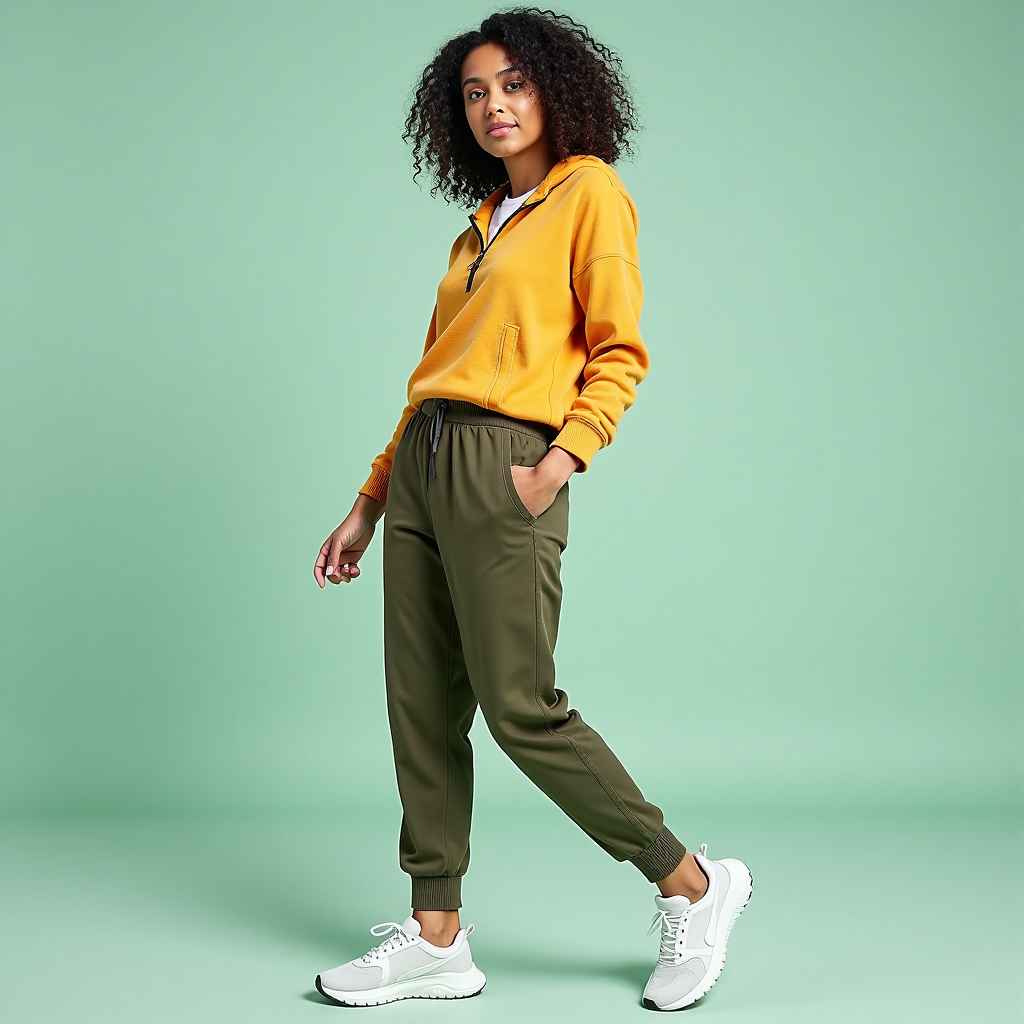
Sustainable Activewear: The Rise of Recycled Sportswear, Eco Gym Clothes, and Performance Green Fabric
For years, the conversation around fitness focused on personal performance, strength gains, and endurance milestones. But a growing number of athletes, gym-goers, and conscious consumers are now asking a different question: What is my workout gear doing to the planet? The answer has sparked a quiet revolution in the apparel industry. Sustainable activewear is no longer a niche concept or a compromise on quality. It has evolved into a high-performance category built on innovative materials, responsible manufacturing, and circular thinking. From recycled sportswear made from plastic bottles to eco gym clothes dyed with low-impact processes, the modern fitness wardrobe is changing for the better. At the heart of this shift is performance green fabric—textiles engineered to deliver compression, breathability, moisture-wicking, and durability without relying on virgin petroleum-based synthetics. This article explores how sustainable activewear is transforming the way we train, what to look for when shopping, and why the future of fitness fashion is undeniably green.
Why Conventional Activewear Has a Hidden Environmental Cost
Most traditional activewear is made from synthetic fibers like polyester, nylon, and elastane. These materials are prized for their stretch, sweat-wicking abilities, and durability, but they come with a significant environmental burden. Polyester and nylon are derived from fossil fuels, meaning their production is directly tied to oil extraction and refining. The manufacturing process is energy-intensive and releases greenhouse gases into the atmosphere. Beyond carbon emissions, conventional synthetic fabrics shed microplastics every time they are washed. These tiny plastic particles flow into waterways, eventually reaching oceans and entering the food chain. According to multiple environmental studies, a single synthetic garment can release hundreds of thousands of microfibers in one wash. Furthermore, because activewear often contains blended fibers like polyester-spandex, recycling at the end of life is difficult. Most discarded gym wear ends up in landfills or incinerators, where it can take hundreds of years to break down. The result is a linear system—take, make, wear, discard—that the planet cannot sustain indefinitely.
What Is Sustainable Activewear?
Sustainable activewear refers to gym and athletic clothing designed to minimize environmental and social harm throughout its entire life cycle. This includes the sourcing of raw materials, the manufacturing process, transportation, consumer use, and end-of-life disposal. True sustainability goes beyond simply swapping virgin polyester for recycled fibers. It considers water usage, chemical management, energy efficiency, worker welfare, packaging, and product longevity. A genuine sustainable activewear brand often uses materials such as recycled polyester, organic cotton, hemp, lyocell, or bio-based synthetics. It may also employ closed-loop water systems, low-impact dyes, and plastic-free packaging. The goal is to create eco gym clothes that perform at the same level—or better—than conventional alternatives while reducing ecological footprint. Consumers should be aware that not all green claims are equal. Certifications and third-party verification matter, but so does a brand’s overall transparency and commitment to continuous improvement.
Recycled Sportswear: Giving Waste a Second Life
One of the most significant advancements in eco-friendly fitness clothing is recycled sportswear. This category uses post-consumer waste—primarily plastic bottles, discarded fishing nets, and old textiles—as raw material for new garments. The most common example is recycled polyester, often labeled as rPET. Plastic bottles are collected, cleaned, shredded into flakes, melted, and spun into fine yarns. Those yarns are then woven or knitted into high-performance fabrics used for leggings, sports bras, shorts, and jackets. The process uses significantly less energy and water than producing virgin polyester. It also diverts plastic waste from oceans and landfills. Recycled nylon, particularly from recovered fishing nets through programs like ECONYL, offers similar benefits for swimwear and compression gear. For the wearer, recycled sportswear feels virtually identical to conventional synthetic activewear. It stretches, wicks sweat, dries quickly, and holds its shape. In many cases, performance is indistinguishable—yet the environmental savings are measurable. Recycled polyester production can reduce carbon emissions by roughly 30% to 50% compared to virgin polyester, depending on the supply chain. Choosing recycled sportswear is one of the easiest ways to make your fitness routine more sustainable without sacrificing functionality.
Eco Gym Clothes: Comfort Meets Conscience
Eco gym clothes represent a broader shift toward mindful consumption in fitness culture. These garments are designed with both the planet and the athlete in mind. They often feature organic cotton, recycled blends, natural fibers, and non-toxic dyes. But eco gym clothes are not just about materials—they also reflect ethical production standards. Many brands that produce eco-conscious activewear are committed to fair wages, safe working conditions, and supply chain transparency. Certifications like Fair Trade, GOTS (Global Organic Textile Standard), and B Corp status indicate a higher level of accountability. For consumers, eco gym clothes offer peace of mind. They are soft against the skin, free from many harsh chemicals, and less likely to cause irritation. Organic cotton yoga pants, for example, provide excellent breathability and comfort for low-impact workouts. Recycled polyester leggings deliver compression and support for high-intensity training. The key is matching the fiber to the activity. By selecting eco gym clothes, you support a system that values people and planet as much as profit.
Performance Green Fabric: The Technology Powering Your Workout
The phrase performance green fabric describes textiles that combine athletic functionality with environmental responsibility. These fabrics are engineered to meet the rigorous demands of training—moisture management, temperature regulation, stretch, and durability—while using sustainable inputs and processes. The science behind performance green fabric has advanced rapidly in recent years, giving athletes access to materials that rival or exceed conventional synthetics. Below are some of the most important sustainable fabric innovations shaping the activewear industry today.
Recycled Polyester (rPET)
Recycled polyester is the backbone of modern sustainable activewear. Made primarily from post-consumer plastic bottles, rPET reduces reliance on petroleum and keeps plastic waste out of the environment. The manufacturing process melts down plastic flakes and extrudes them into fine filaments that can be woven into breathable, lightweight fabrics. rPET offers excellent moisture-wicking, quick-drying, and shape retention properties. It is commonly used in running shirts, sports bras, leggings, and outerwear. Many major sportswear brands now use rPET as a standard component in their eco lines, and independent labels have built entire collections around it. The fabric performs nearly identically to virgin polyester but carries a significantly lower environmental impact. For high-sweat activities like HIIT, spinning, or trail running, rPET is a dependable choice.
Recycled Nylon and ECONYL
Recycled nylon is another high-performance sustainable material that has gained traction in the activewear space. ECONYL, a pioneering regenerated nylon, is created from waste such as abandoned fishing nets, fabric scraps, carpet flooring, and industrial plastic. Through a chemical depolymerization and repolymerization process, the waste is transformed into virgin-quality nylon yarn. The result is a fabric with incredible strength, elasticity, and resistance to abrasion. Recycled nylon is particularly well suited to compression wear, swimwear, and high-durability garments. It offers a smooth, supportive fit and excellent recovery after stretching. Choosing recycled nylon helps clean up marine ecosystems while delivering the performance benefits athletes expect from premium activewear. It also demonstrates that luxury feel and sustainability can coexist.
TENCEL™ Lyocell and Modal
TENCEL™ Lyocell is a cellulosic fiber made from sustainably sourced wood pulp, typically eucalyptus or beech. The production process uses a closed-loop system that recovers and reuses more than 99% of the water and solvents involved. Lyocell is prized for its silky softness, breathability, and natural moisture management. It is also biodegradable, which addresses the end-of-life problem that plagues synthetic fibers. While lyocell alone may not provide the compression needed for high-impact workouts, it is often blended with recycled polyester or elastane to create versatile eco gym clothes. The result is a fabric that feels luxurious, drapes beautifully, and remains comfortable during yoga, Pilates, barre, or light training. Modal, a similar fiber, offers additional softness and is frequently used in base layers and loungewear designed for active lifestyles. These wood-based fibers expand the definition of performance green fabric by offering plant-derived alternatives to petroleum synthetics.
Hemp, Organic Cotton, and Natural Blends
Natural fibers have long been valued for comfort, but they are now being reimagined for performance applications. Hemp, for instance, is a remarkably sustainable crop that requires minimal water, no synthetic pesticides, and little land. Hemp fabric is naturally breathable, antimicrobial, UV-resistant, and durable. It softens with each wash and becomes more comfortable over time. Organic cotton, grown without harmful chemicals, is another staple in sustainable activewear, especially for low-impact activities. When blended with recycled synthetics or spandex, organic cotton can offer the stretch and recovery needed for movement while retaining a soft, natural feel. These natural blends are ideal for yoga, walking, lifting, and everyday wear. They prove that performance green fabric does not have to rely exclusively on recycled plastics—it can also draw from regenerative agriculture and plant-based systems.
Bio-Based and Plant-Derived Innovations
The next frontier in sustainable athletic wear is bio-based synthetic materials. These fabrics are made from renewable plant sources such as castor beans, corn, sugarcane, or algae. For example, some bio-based polyamides use castor oil as a substitute for petroleum, reducing carbon footprint while maintaining the performance characteristics of traditional nylon. Other innovations include fabrics infused with natural minerals for cooling, algae-based foams for footwear, and biodegradable elastane alternatives. These emerging materials aim to solve one of the biggest challenges in activewear: the need for stretch without petroleum. While many of these technologies are still in early stages, they represent an exciting shift toward genuinely circular, renewable performance fabrics. As research and investment grow, bio-based materials are expected to become more accessible and cost-effective for mainstream consumers.
How to Spot Genuine Eco-Friendly Activewear vs Greenwashing
As sustainability becomes a marketing buzzword, greenwashing—misleading claims about environmental friendliness—has become common in the fashion industry. To ensure your sustainable activewear purchase is genuinely responsible, look for third-party certifications and transparent supply chains. Here are some key indicators to trust:
- Global Recycled Standard (GRS): Verifies recycled content and responsible production practices.
- bluesign®: Ensures safe chemistry, reduced water and energy use, and worker protection.
- OEKO-TEX® Standard 100: Certifies that textiles are free from harmful substances.
- GOTS: The gold standard for organic cotton and natural fibers, covering environmental and social criteria.
- Fair Trade Certified: Guarantees fair wages and safe working conditions in the supply chain.
- B Corporation: Recognizes companies balancing profit with purpose, meeting high standards of social and environmental performance.
Beyond certifications, look for brands that disclose their material sources, manufacturing locations, and sustainability reports. A company that is truly committed to eco-friendly practices will not hide behind vague terms like “green” or “eco-friendly.” They will tell you exactly what their fabrics are made from, where they are produced, and how they are working to reduce impact. When in doubt, ask questions. Genuine brands welcome scrutiny; greenwashers often avoid it.
The Performance Benefits of Choosing Green Fabrics
Many people assume that choosing eco gym clothes means sacrificing performance, but the opposite is often true. Performance green fabric is specifically engineered to meet the demands of serious athletes. Recycled polyester and nylon offer the same sweat-wicking, quick-drying, and stretch properties as their virgin counterparts. In some cases, recycled fibers can even be stronger and more consistent due to advanced manufacturing processes. Natural fibers like hemp and lyocell add breathability, odor resistance, and thermoregulation, which can improve comfort during long workouts. Sustainable fabrics also tend to be designed with longevity in mind. Brands focused on sustainability often emphasize quality over quantity, producing garments that withstand repeated washing and intense training. The result is athletic wear that looks better, feels better, and lasts longer. When you choose performance green fabric, you are not compromising—you are upgrading.
Building a Sustainable Gym Wardrobe on Any Budget
Transitioning to a sustainable fitness wardrobe does not require an expensive overhaul. Start with what you already own and make mindful choices as you replace worn-out items. Here is a practical approach to building a responsible activewear collection:
- Audit your current wardrobe: Identify what you actually wear and what can be repaired or donated.
- Prioritize high-use items: Replace frequently worn pieces like leggings, sports bras, and base layers with sustainable versions.
- Shop secondhand: Thrift stores and online resale platforms often carry gently used activewear at a fraction of the retail price.
- Support ethical brands: Research companies that use recycled sportswear materials and transparent production.
- Choose quality over quantity: Invest in well-made garments that will last for years rather than trend-driven pieces that quickly fall apart.
- Care for what you own: Proper washing and storage extend the life of your activewear significantly.
A sustainable wardrobe does not need to be large. A few versatile, high-performance pieces can carry you through a full week of training. The goal is to move away from fast fashion cycles and toward a more intentional, durable collection that aligns with your values.
How to Care for Your Eco Gym Clothes to Extend Their Life
Even the most sustainable activewear has an environmental footprint. The way you care for your garments can dramatically influence their longevity and impact. Proper care reduces the need for frequent replacements and minimizes microfiber shedding. Here are essential tips for maintaining your eco gym clothes:
- Wash in cold water: Cold water uses less energy and is gentler on fabrics, helping colors and elasticity last longer.
- Use a microfiber filter or laundry bag: For synthetic fabrics, a Guppyfriend bag or washing machine filter can capture microplastics before they enter waterways.
- Avoid fabric softeners: Softeners can coat synthetic fibers and reduce breathability and moisture-wicking performance.
- Air dry when possible: High heat from dryers can break down elastane and cause shrinkage. Line drying preserves fit and shape.
- Wash less often: Hang your gear to air out between uses. Spot clean when needed to reduce water and energy consumption.
- Repair, don’t replace: Small tears, loose seams, and worn waistbands can often be fixed with basic sewing skills or a local tailor.
By extending the life of your activewear, you reduce overall consumption and waste. A single pair of well-cared-for leggings can replace multiple cheaper pairs over time, making your wardrobe both more sustainable and more economical.
The Future of Sustainable Activewear
The sustainable activewear movement is accelerating. Major sportswear giants are pledging to eliminate virgin polyester and adopt circular design principles. Startups are experimenting with biodegradable stretch fibers, 3D knitting to eliminate fabric waste, and rental or resale models for athletic clothing. Consumers are increasingly demanding transparency, pushing brands to publish material breakdowns and environmental impact data. Regulatory changes in several regions are also encouraging stricter standards for textile waste and chemical use. The future points toward a fully circular system in which recycled sportswear becomes the default, eco gym clothes are accessible to all, and performance green fabric is the industry standard rather than the exception. As technology improves, the price gap between conventional and sustainable activewear will continue to narrow. The biggest driver, however, remains consumer choice. Every purchase is a vote for the kind of future you want to see.
Conclusion
Your workout gear should empower you to move, sweat, and perform at your best—without costing the earth. Sustainable activewear, built from recycled sportswear materials and performance green fabric, proves that high performance and environmental responsibility are not mutually exclusive. By choosing eco gym clothes made with recycled fibers, organic natural materials, and ethical manufacturing, you support a healthier planet and a more humane fashion industry. The shift requires no sacrifice in style, comfort, or durability. It simply asks for awareness, intentionality, and a willingness to look beyond the label. As the industry continues to innovate, the future of fitness fashion looks brighter, greener, and stronger than ever. Whether you are a seasoned athlete or a weekend warrior, your choices matter. Wear them with pride, train with purpose, and let your gear reflect the world you want to help create.